
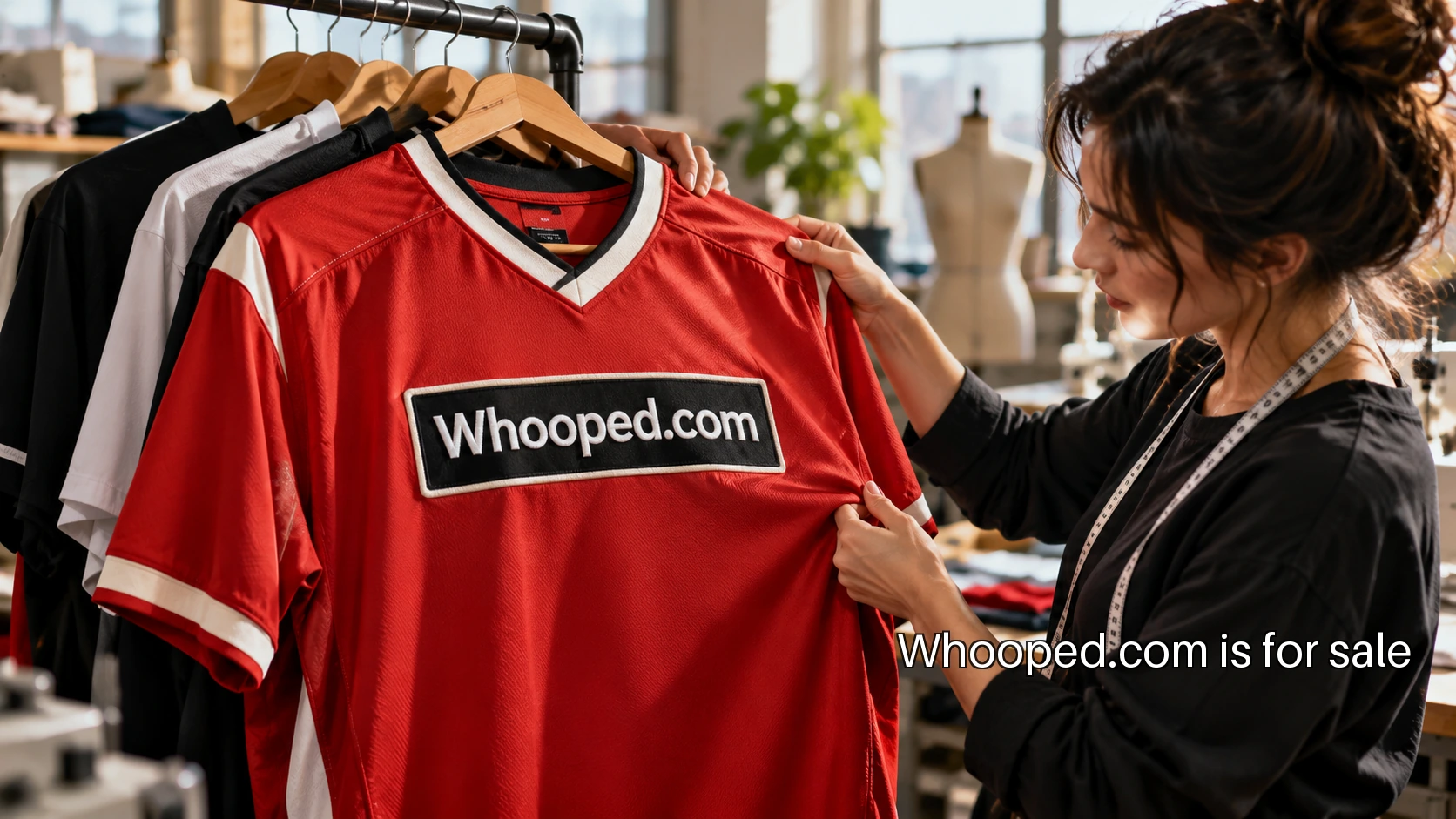
An expressive apparel line would need to begin with something more specific than a logo on a shirt. A useful first question is which recreational competitors share a product need and a sense of humor. The audience could be people who play casual evening games and want a comfortable item to wear afterward. Whooped.com could give that offer a direct home while the product earns its place in a customer’s routine.
This is an illustrative concept. No clothing range, inventory, customer community or supplier relationship comes with the domain. The first test should discover whether one defined product is wanted, can be made consistently and can reach its buyers without an unmanageable stock commitment. The brand’s playful tone is one input to that test, not evidence of demand.
Choose a first item for a real occasion
A cap, a midweight shirt and a warm layer solve different problems. Pick one after listening to the intended audience. Ask what people wear on the journey to and from an activity, what they replace often and what bothers them about current options. A comment about liking a design is weaker evidence than an explanation of when someone would actually use it.
For an illustrative first release, consider a simple cap for an adult recreational audience. The buying questions include fit, closure, shape, material feel, color and whether the mark looks appropriate away from a game. Keep the range narrow enough to evaluate those details. Several colors and silhouettes can turn a small experiment into an inventory problem before there is evidence about the underlying item.
Treat the sample as the real brief
Ask a prospective supplier for a sample built to the intended specification. Confirm material composition, decoration method, care information, lead time, minimum order, packaging and how defects are handled. Photograph the actual sample rather than presenting a rendered mockup as the finished product. Compare it against the written specification and record every change before approving a production version.
Wear testing needs a practical plan. Invite members of the intended audience to try the item during the situations for which it is designed, then ask about comfort, adjustment and appearance. Make clear what has and has not been tested. Avoid technical performance claims unless appropriate evidence supports them. A casual recreational product can be described accurately without implying specialist athletic capabilities.
Know which questions require outside guidance
The supplier discussion should include labeling, care and origin information. Consult the FTC’s clothing and textiles guidance and relevant local requirements with qualified help for the actual market. This concept is not a compliance plan. The useful early decision is who will verify the product information and what records the business needs from the supplier before selling.
Brand use also needs its own independent screening. Buying an address does not clear a product name, graphic or slogan for apparel. Search and professional advice should be based on the proposed use and sales markets. Keep this work separate from whether a design looks good on a sample, since those questions are answered by different kinds of evidence.
Build a small release around one community
A plausible first distribution route is a relationship with a particular recreational event organizer or group. Let that group see the physical sample and explain the proposed offer in plain language. If an order window is used, state the terms, delivery assumptions and cancellation handling accurately. Do not advertise a production schedule that has not been confirmed by the people responsible for making and delivering the goods.
A product page should show the item from useful angles, dimensions or sizing information, care details and what is included. Explain the difference between a sample and the final version if anything is still changing. A founder can learn more from questions about fit and delivery than from an audience reacting to an attractive lifestyle image. Keep a record of the questions that prevent a purchase.
Understand the cost of a sale
Work through a sample order on paper. Include the item, decoration, freight, packaging, payment charges, fulfillment and a reasonable allowance for problems or returns. Compare that total with the intended selling price and the expected time spent supporting each customer. Use realistic small-order costs rather than a supplier’s best price at a volume the business has not earned.
The SBA planning resources can help organize customer research and startup-cost questions. The actual supplier quotes, sales terms and customer responses are what make this particular experiment assessable. Put a limit on the money and time allocated to the first release, and decide in advance what would justify ordering again.
Keep the voice friendly enough to wear
Whooped can sound competitive, celebratory or exhausted, depending on context. An apparel buyer might enjoy that ambiguity; another may hear an insult. Test a product page, a hangtag and a spoken recommendation with people outside the founding group. Ask what sort of person they think the product is for and where they would feel comfortable wearing it. Avoid explaining the intended joke before collecting a reaction.
Restraint can help the design. One useful graphic treatment and a well-made item can provide a clearer experiment than several competing slogans. The website, packaging and customer messages should sound like the same business. That consistency supports a brand, but it should not hide uncertainty about product fit or availability.
Set a sensible next decision
After a small release, review the reasons people bought, the support burden, the condition of returned items where applicable and what customers ask for next. Separate requests from purchases. Expansion could mean improving the same product rather than adding a category. A second release should answer an unresolved question from the first one.
Whooped.com could be the main address for this focused product business, with room for later editorial or community activity if customers want it. The current offering is domain only. A prospective buyer can use the inquiry form to discuss acquisition and describe the planned audience. Before committing to inventory, validate one product with that audience and obtain the supplier information needed to make an informed decision.
Could this be your next direction?
Discuss acquiring Whooped.com for your proposed business.
Inquire about this domain ↗